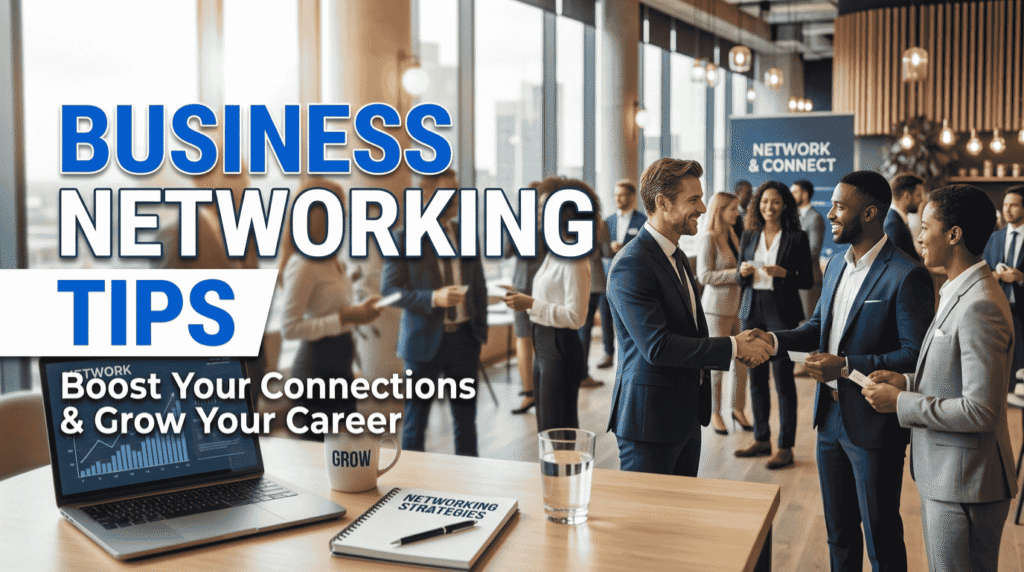
Business networking has a reputation problem. When most people hear the term, they picture forced conversations at conference events, the awkward exchange of business cards with people they will never speak to again, and the faint sense of insincerity that seems to pervade the whole exercise. That version of networking does exist, but it is not the only version, and it is certainly not the most effective one.
The business networking that actually produces results looks quite different. It is slower, more genuine, and built on a foundation of actually helping people rather than collecting contacts. This guide is about that kind of networking and how to build it as someone who is just getting started.
Why Business Networking Matters More Than Most People Realize
The data on this is consistent across industries: most business opportunities, whether that means new clients, job offers, partnership deals, or funding introductions, come through personal connections rather than cold outreach or advertising. People do business with people they know, like, and trust. Networking is simply the deliberate process of building those relationships before you need them.
For small business owners and entrepreneurs especially, a strong network often makes the difference between a business that struggles in isolation and one that benefits from consistent referrals, collaborative opportunities, and community support during difficult periods.
Start With the Network You Already Have
The most common mistake beginners make with networking is looking outward before they have activated what is already around them. Before attending any event or reaching out to a stranger, spend time mapping your existing relationships. Former colleagues, classmates, professors, suppliers, past clients, and even friends who work in relevant industries are all part of your network, even if those connections have been dormant.
A brief and genuine message reestablishing contact with someone you respect and have not spoken to recently is often far more effective than any formal networking event. Ask how they are doing, share something relevant to their work, and let the conversation develop naturally without an immediate ask attached to it.
How to Add Value Before You Ask for Anything
The most respected networkers in any industry share a common trait: they are known for giving before they receive. This might mean sharing someone’s content with your audience, making an introduction that helps two people who should know each other, offering a piece of relevant advice or information without being asked, or simply showing up consistently with encouragement and genuine interest in other people’s work.
When you build a reputation as someone who adds value to the people around them, the reciprocity follows naturally. People think of you when opportunities arise. They send referrals your way. They recommend you in conversations you are not even part of. This dynamic cannot be manufactured through tactical networking. It develops through consistent, genuine generosity over time.
Choosing Where to Network Effectively
Industry Events and Conferences
Industry-specific events bring together people who share professional context with you, which makes conversations more immediately relevant and relationships easier to develop. If budget or geography is a constraint, many conferences now offer virtual attendance options that are genuinely useful for meeting people outside your local area.
Online Communities
For many professionals today, the most valuable networking happens entirely online. LinkedIn remains the strongest platform for professional relationship building, particularly for B2B contexts. But niche communities on Slack, Discord, Reddit, and industry-specific forums often provide higher quality interactions with more relevant people than broad professional networks.
Participating consistently in these communities, answering questions, sharing knowledge, and engaging thoughtfully with others’ content, builds your visibility and reputation far more effectively than occasional promotional posts. LinkedIn’s official guide to building professional connections is a useful starting point if you are new to using the platform strategically.
Local Business Groups and Chambers of Commerce
For businesses that serve local markets, membership in a chamber of commerce or a local business association provides consistent exposure to other business owners in your area. These groups tend to have lower competition for attention than large industry conferences and often produce more direct referral relationships because the shared geography creates natural opportunities for collaboration.
How to Follow Up After Meeting Someone
Most of the value in networking is lost in the follow-up, or more precisely, the absence of it. Meeting someone once at an event and never following up produces almost no lasting relationship. The connection needs to be reinforced and developed to become genuinely useful to either party.
A simple, personalized message within 48 hours of meeting someone is the single most effective networking habit you can build. Reference something specific from your conversation, connect on LinkedIn, and suggest a way to stay in touch or collaborate if there is an obvious reason to do so. Keep it short and genuine. Nobody needs another template-sounding message in their inbox.
What Not to Do When Networking
Certain behaviors reliably damage networking efforts, and most of them stem from treating networking as a transactional exercise rather than a relational one. Reaching out to someone only when you need something, immediately pitching your services to a new connection before any relationship has developed, collecting contacts without investing in any of them, and treating every interaction as an opportunity to sell are all patterns that erode rather than build professional reputation.
Networking that is perceived as purely self-serving is remembered negatively. Networking that is perceived as genuinely interested and helpful creates the foundation for relationships that benefit both parties over a long time horizon.
Frequently Asked Questions
Is networking on LinkedIn actually effective?
Yes, when done genuinely. Personalized connection requests, thoughtful engagement with others’ content, and consistent sharing of valuable insights in your niche build a professional reputation on LinkedIn that translates into real opportunities over time.
How do I network if I am naturally introverted?
Written communication, like LinkedIn messages and email, plays to introvert strengths. One-on-one conversations are generally more manageable than large group events. Starting with online communities where you can contribute thoughtfully before introducing yourself removes much of the social pressure.
How often should I reach out to network contacts?
There is no fixed rule, but a useful guideline is to stay in touch with key contacts at least two to three times per year with genuine, non-transactional interactions. Consistency matters more than frequency.
What should I talk about when networking?
Ask more than you tell. Be genuinely curious about the other person’s work, challenges, and goals. The professionals who are remembered as great networkers are almost always the ones who made the other person feel heard and valued.
Can networking actually lead to business for a small company?
Referrals from personal networks are the primary source of new business for the majority of small service businesses. The relationship comes before the referral, which is why consistent investment in networking pays off even when the immediate returns are not visible.
Final Thoughts
Effective business networking is not a skill you develop by attending more events. It is a habit of genuine interest in other people, consistent generosity with your knowledge and connections, and patient investment in relationships before any return is expected.
Start with the people already around you, be genuinely helpful, follow up consistently, and let the results develop over time.