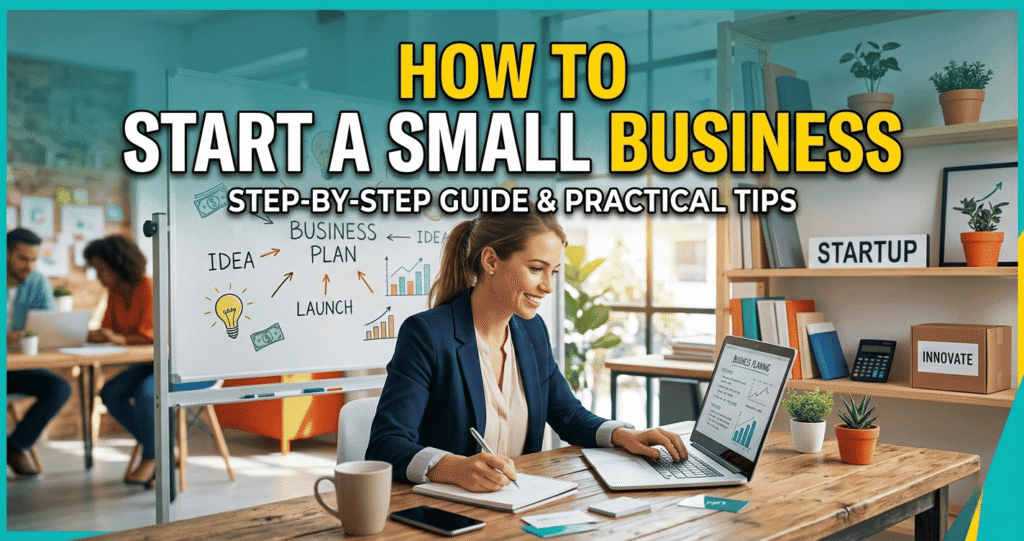
Start a small business is one of the most exciting decisions you can make. It gives you the freedom to work on your own terms, build something meaningful, and create a source of income that belongs entirely to you. But for many beginners, the process feels overwhelming. Where do you even begin? What steps do you take first?
The good news is that starting a business does not have to be complicated. Millions of people launch successful small businesses every year without a business degree or a huge budget. What they do have is a clear plan, the willingness to learn, and the courage to take that first step. This guide will walk you through each stage of the process so you can start your business with confidence.
Step 1: Find the Right Business Idea
Every successful business starts with an idea, but not just any idea. You want an idea that matches your skills, interests, and what people actually need. A lot of first-time entrepreneurs make the mistake of chasing trends instead of thinking about what they can genuinely offer.
Ask Yourself These Questions
- What am I good at that others would pay for?
- What problems do people around me face regularly?
- Is there a gap in the market that I can fill?
- Can I start this business with the resources I currently have?
For example, if you are good at writing, you could start a freelance content writing business. If you have a talent for baking, a home-based bakery could be a great fit. The key is to combine your passion with a real market demand.
Step 2: Research Your Market Before You Launch
Once you have an idea, the next step is to find out whether people actually want what you are planning to offer. This is called market research, and it is one of the most important things you can do before spending a single dollar on your business.
Start by looking at your competition. Search Google for businesses similar to yours. Look at what they offer, how they price their products or services, and what customers are saying about them in reviews. This will give you a clear picture of what works and where there might be room for you.
Talk to Potential Customers
Do not skip this part. Talk to real people who might buy from you. You can do simple surveys on social media, ask friends and family for honest feedback, or join online communities in your niche and listen to what people are asking for. The information you gather here will shape everything from your pricing to your marketing strategy.
Step 3: Write a Simple Business Plan
A business plan does not have to be a 50-page document. For a small business, a simple one-page plan is often enough to get started. Think of it as a roadmap that keeps you focused and organized.
What to Include in Your Business Plan
- Business idea: What product or service are you selling?
- Target audience: Who is your ideal customer?
- Revenue model: How will you make money?
- Startup costs: How much do you need to get started?
- Marketing plan: How will people find out about your business?
Having these answers written down keeps you accountable and helps you spot potential problems before they happen. It also makes it much easier to explain your business to a bank, an investor, or even a potential business partner.
Step 4: Take Care of the Legal and Financial Basics
This is the part many beginners find intimidating, but it is simpler than it looks. Getting the legal and financial foundation right from the start will save you a lot of headaches later.
Choose a Business Structure
Most small business owners start as a sole proprietor, which is the simplest structure. If you want to protect your personal assets, you might consider forming an LLC (Limited Liability Company). The right choice depends on your specific situation, so it is worth consulting a local accountant or business advisor.
Register Your Business and Open a Bank Account
Register your business name with your local government. This process varies depending on where you live, but it usually takes just a few days. Once that is done, open a separate bank account for your business. Mixing personal and business finances is one of the most common mistakes new entrepreneurs make, and it causes a lot of problems come tax time.
You should also look into whether you need any specific licenses or permits to operate legally in your industry or location. A quick search on your local government website will tell you what is required.
Step 5: Build Your Brand and Get Online
Your brand is more than just a logo. It is the personality and voice of your business. It is how customers feel when they interact with you. Even as a small business, you want people to recognize and trust your brand.
Start With These Branding Basics
- Choose a clear and memorable business name
- Design a simple logo (free tools like Canva work great for beginners)
- Pick two or three brand colors and stick to them
- Write a short description of what your business does and who it helps
Having an online presence is no longer optional. At minimum, you need a website and at least one active social media profile. A website does not have to be expensive. Platforms like WordPress or Wix let you create a professional-looking site for a small monthly fee.
If you are on a tight budget, start with a free Google Business Profile. This puts your business on Google Maps and makes it easier for local customers to find you. It takes about 15 minutes to set up and costs nothing.
Step 6: Start Selling and Attracting Your First Customers
Now comes the part every entrepreneur is both excited and nervous about: getting paying customers. The truth is, your first customers are often closer than you think. Start by telling people in your personal network what you are doing. Word of mouth is still one of the most powerful marketing tools available, especially in the early stages.
Practical Ways to Get Your First Customers
- Post about your business on your personal social media accounts
- Offer a special introductory price or a free trial to your first few clients
- Ask happy customers for referrals and online reviews
- Join local business groups or online communities in your niche
- Use free platforms like Facebook Marketplace or LinkedIn to reach new clients
Do not wait until everything is perfect before you start selling. Many successful business owners launched before they felt fully ready. Getting real feedback from real customers is far more valuable than spending months trying to perfect your product behind closed doors.
Step 7: Manage Your Money and Keep Learning
Once the money starts coming in, it is important to manage it well. Track every dollar you earn and every expense you have. Simple accounting software like Wave (which is free) or QuickBooks can make this much easier. Set aside a portion of every payment for taxes so you are not caught off guard at the end of the year.
Running a business is a constant learning experience. Read books, follow industry blogs, listen to podcasts, and connect with other entrepreneurs. The more you know, the better decisions you will make. Some of the best business lessons come from people who have already made the mistakes you are trying to avoid.
Review your business performance every month. Look at what is working and what is not. Adjust your approach based on real results, not just gut feelings. Businesses that grow are the ones that stay flexible and keep improving.
Final Thoughts
Starting a small business is a journey, not a single event. It takes time, effort, and a willingness to learn along the way. But if you follow the steps outlined in this guide, you will have a much stronger foundation than most people who jump in without a plan.
Begin with a solid idea, validate it with real research, write a simple plan, get your legal basics in order, build your brand, and then go out and find your first customers. Each step builds on the one before it.
The most important thing you can do right now is take action. You do not need to have everything figured out before you start. What you need is the commitment to keep moving forward, one step at a time. Your business story starts with the decision to begin.